

The ISO 50000 standard series set increased requirements for energy management systems. To meet them, companies must develop a suitable measurement concept with which key figures can be defined astutely and proactively. Together we keep your energy management system up to date and take the next step to efficiency with you.
These are our topics:
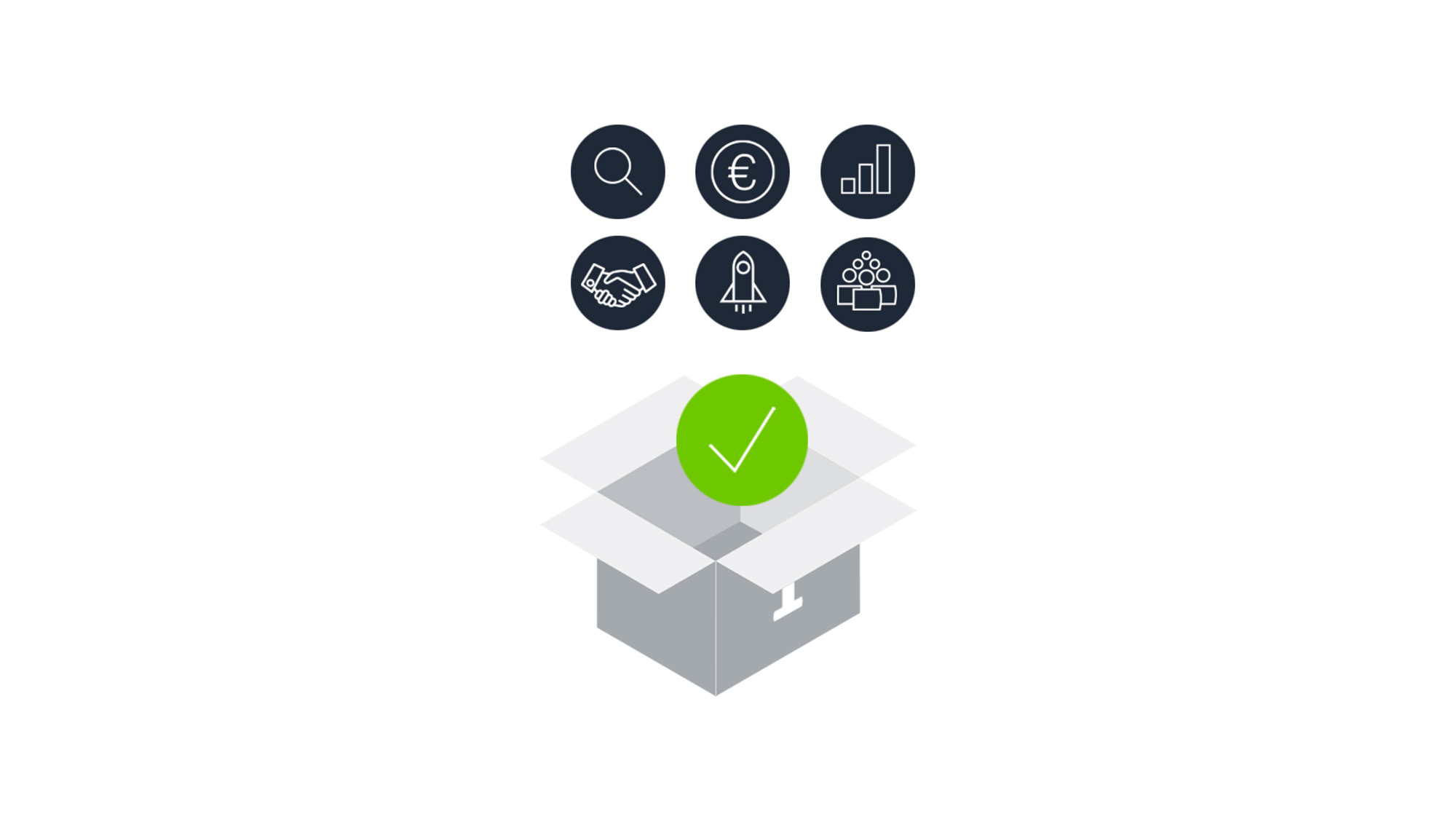
Numerous major companies in Germany have been certified to the ISO 50001 standard. This standard requires establishment of a systematic energy management. ISO 50003 now goes one step further and requires continual, systematic increase in energy efficiency. This requires the auditor to check and confirm the successive improvement during the certification audit. With ISO 50003, additional new standards of the ISO 50000 series take effect: ISO 50006 prescribes the requirements for energy-related performance measurements using energy starting basis (EnB) and energy performance indicators (EnPl). In turn, ISO 50015 refers to the measurement and verification of energy-related performance of organizations. The ISO 50000 Family:
Longer Auditing Times, Deeper Scrutiny
Until now, factors including the economic sector, number of employees or complexity of a company's energy management, which derives from total energy consumption, relative shares of energy sources and other factors, were used as the basis for determining auditing times required for certification to ISO 50001. These factors give rise to a base time of two auditing days for initial certification of industrial companies and one and a half days for non-industrial energy management systems.
ISO 50003 omits this division. This standard gives more weight to company-specific conditions that influence energy performance, such as the number of significant energy consumers like machines or climate control systems. Moreover, only personnel with a significant influence on energy consumption are now considered, instead of all employees. These factors ultimately yield an auditing time of at least three days for all companies. For you, this means increased time expenditure but at the same time, the opportunity to discover additional potential through the closer look into technical details. This has changed:
Technology, Just as You Need It
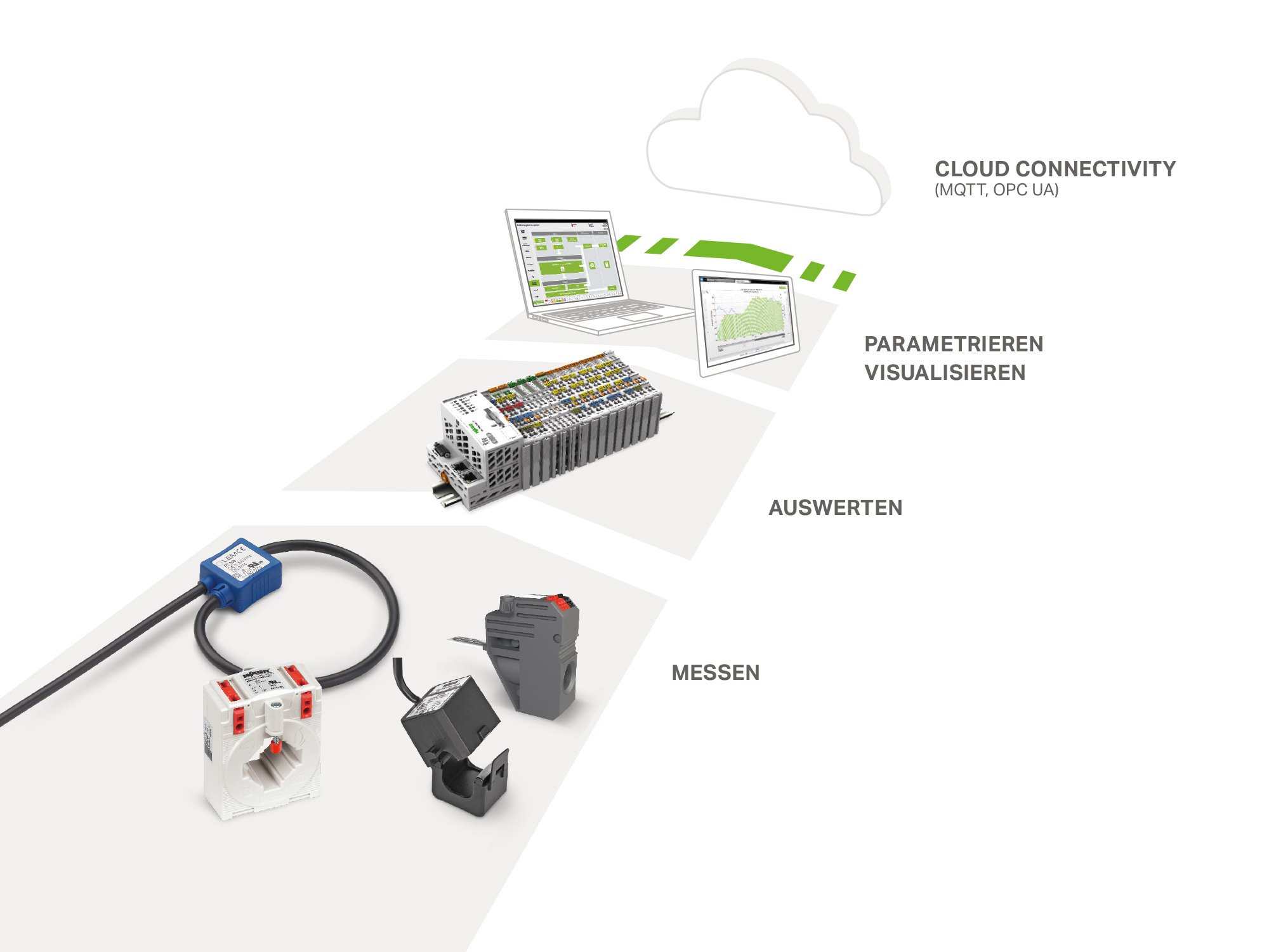
Increasing legal requirements also require complex measurement technology? By no means! With our energy management solution, you record all your process variables and energy consumption with just one system. Thanks to the modularity of the WAGO-I/O-SYSTEM, you can assemble your data acquisition individually and expand it at any time – exactly as you need it for your company. Configure your data acquisition system, store and display the measured data. And if you prefer, in the new WAGO Cloud Data Control as well. Our software in the controller can send data directly to the cloud via the standardized protocol MQTT – and with the hardened Linux® operating system, protected by exceptional security. This is an excellent way to quickly and easily discover your savings potential and make your energy consumption transparent. Our system:
WAGO Supports You in Implementing the Standards
The legislative changes can quickly bring a company to its limits. Implementing the new standards takes time and carries the risk that certification is withheld due to inadequate key figures. WAGO supports you in establishing a customized measurement concept with good products and services, so your energy gains are reliably made visible and you can go forward leveraging all the benefits. Based on your energy performance indicators and energy starting basis, we develop the appropriate efficiency measures for your company and together with you, compose an energy management system to also serve you in the future. The advantages of our solution:


WAGO at Work
Additional Topics from Standards and Laws
WAGO has already implemented many exciting projects in energy management. Read about the most recent ones here.
“Efficiency could not be easier to implement” – so states expert Lukas Dökel about energy management with WAGO technology – with cloud connectivity too.
WAGO Energy Management offers a convenient solution to record, visualize and manage energy data.
Recommended Reading
More Solutions in Energy Management
WAGO supports you in making the best use of your potential – from monitoring to the identification of suitable measures.
The best energy management solution is the one that readily adapts to the new requirements. WAGO offers you very good possibilities for this.
There is no one-size-fits-all solution for the digital transformation; the same holds true for energy management. WAGO supports you on your way with advice and resources.