Customer application
28 August 2020
The Digital Energy Transition with High-Tech Controllers
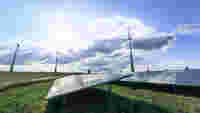
The expansion of renewable energies can only succeed if the fluctuating supplies from solar and wind arrays are compensated by flexible electrical consumers and batteries. Digital technology can help to solve this problem: Intelligent systems convert the analog electrical network into a communicative smart grid and pave the way for linking virtual power plants, generators and consumers.
There are troubles ahead for wind energy. Although wind turbines are supposed to provide the lion’s share of the electrical supply in the long term, the federal government wants to put the brakes on new construction in northern Germany to a significant degree. Since 2017, Bremen, Hamburg, Schleswig-Holstein, Mecklenburg-Western Pomerania and the northern parts of Lower Saxony have only been permitted a maximum new wind output of 902 megawatts – this is not even 60 % of the output that is currently available. This is because the electrical lines in the stormy coastal regions have reached their capacity limits. Wind turbines are increasingly switched off as part of so-called supply management, because the large amounts of green energy could damage network stability.
The Energy Transition Goes Digital – Here’s How WAGO Supports You:
- WAGO’s controllers ensure secure communication and control.
- The new VHReady communication standard facilitates the interplay of decentralized systems.
- Data encryption and specially secured connections defend against unauthorized access.