[{"term":"Libraries_BA","id":0,"type":"QUICKLINKS"},{"term":"Instructions","id":1,"type":"QUICKLINKS"},{"term":"WAGO-I/O-PRO","id":2,"type":"QUICKLINKS"},{"term":"Building","id":3,"type":"QUICKLINKS"},{"term":"221","id":4,"type":"QUICKLINKS"}]
{ "@context": "https://schema.org", "@type": "BreadcrumbList", "itemListElement": [ { "@type": "ListItem", "position": 1, "name": "Homepage", "item": "https://www.wago.com/global" }, { "@type": "ListItem", "position": 2, "name": "Smart Factory", "item": "https://www.wago.com/global/smart-factory" }, { "@type": "ListItem", "position": 3, "name": "Process Engineering", "item": "https://www.wago.com/global/process-engineering" }, { "@type": "ListItem", "position": 4, "name": "Explosion Protection", "item": "https://www.wago.com/global/process-engineering/explosion-protection" }, { "@type": "ListItem", "position": 5, "name": "I/O System 750 – Plant Control", "item": "https://www.wago.com/global/process-engineering/explosion-protection/control-technology-wastewater-plants" } ] } [{"url":"/smart-factory","name":"Smart Factory","linkClass":null,"categoryCode":null},{"url":"/process-engineering","name":"Process Engineering","linkClass":null,"categoryCode":null},{"url":"/process-engineering/explosion-protection","name":"Explosion Protection","linkClass":null,"categoryCode":null},{"url":"/process-engineering/explosion-protection/control-technology-wastewater-plants","name":"I/O System 750 – Plant Control","linkClass":"active","categoryCode":null}]
Topics

Intelligent, Efficient Plant Control

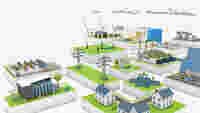
Both Ex and non-Ex areas can be found in wastewater plants. The WAGO-I/O-SYSTEM 750 allows efficient plant control for both areas.

Several specialized and general regulations complicate the construction and operation of a wastewater plant, making it anything but easy. Planners and operators can significantly lower their expenditures by selecting an intelligent control system that supports standard and special applications equally.

WAGO-I/O-SYSTEM 750 Advantages:

  • Ex and non-Ex area covered by one system
  • Intrinsically safe, fieldbus-independent, flexible and robust
  • Compact design encourages use in limited spaces
Chemical Reactions Possible at Any Time

One thing is for certain: It is almost impossible to predict the composition of the effluents arriving in wastewater plants. Contaminations, flammable compositions or chemical reactions can occur at any time due to accidents or unauthorized discharges. These may result in outgassing, which must be classified as a hazardous atmosphere. If highly flammable liquids, such as gasoline, get into the sewer system, they will float on the surface due to their lower density. As volatile materials, they evaporate quickly; depending on their concentration, they can create a harmful or even explosive mixture. Since the vapors that are generated are often heavier than air, they inevitably collect at the lowest point of the sewer network. Therefore, the sewer network and its structures, such as enclosed storage basins for wastewater, stowage canals, pumps or inverted siphon structures, are classified as Zone 1 or Zone 2 depending on their design.

Correctly Classify Zones

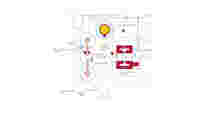
Whatever applies to the sewer network also applies to wastewater plant purification systems. These systems often consist of a wastewater pumping station and a discharge structure to help guide the effluents directly into the sewage treatment plant. If the structures are enclosed, then they must be classified as Zone 1. This requirement can also apply to open structures if they do not have any ventilation. Easily explosive mixtures can even be generated inside, for example, due to the completely normal outgassing of the effluents. This is because sludge gases are generated by fecal matter, which is a major part of the wastewater. However, sludge gases are only slightly lighter than air, and they do not collect in the upper areas of rooms or structures, but rather mix with the air. The exact composition of the air–gas mixture created in this manner cannot be determined – the continuous movement of the wastewater always generates new turbulence in the air. Thus, the gas concentration within the air–gas mixtures changes constantly.

process_grafik_Explosionsschutz_Abwasseranlagen_2_2000x1125.jpg

High Concentration of Sludge Gases

A very high concentration of sludge gases is actually related to the function of the rake structure, because coarse and fine materials, such as tree branches, textiles and hygienic items, are separated here. Accordingly, this area is classified in the hazard assessment as Zone 1 and adjacent areas as Zone 2. This classification also applies to sludge water reservoirs, such as shafts and structures, of the de-sludging step. The anaerobic bacterial processes, active during sludge decomposition in the wastewater, are used in the digester tower of the sewage treatment plant to extract sludge gases. These sludge gases will be converted into electricity and heat in a downstream block heat and power plant to positively impact the wastewater treatment plant’s energy balance. The process areas, from sludge thickening up to sludge decomposition, are also classified as Zone 1 and Zone 2 as part of the hazard assessment; The same applies to the outer areas of the sludge and gas container.